Joseph's Well: DIY Generator Plans and Instructions
Joseph's Well is a digital DIY guide for people interested in building an atmospheric water generator at home. It provides instructional materials to help buyers understand the proposed condensation system, identify the required components and follow the construction process.
The package includes downloadable blueprints, technical diagrams, step-by-step video tutorials, a materials list and instructions covering standard electrical and solar-supported configurations. These resources are designed to help buyers plan their own water collection system and understand what is involved in assembling it.
Joseph's Well is an instructional product, not a ready-made water generator. Buyers need to source the required equipment and assemble the system themselves. This guide examines its contents, construction approach, technical requirements and potential building costs to help you decide whether the project suits your needs and experience.
Get Instant Access
What Is Joseph's Well?
Joseph's Well is a home-scale atmospheric water collection concept developed around adapting existing cooling equipment for moisture collection. It focuses on bringing familiar refrigeration and dehumidification technology into a DIY water collection project designed for household use.
The concept's development history traces its origins to an experimental setup assembled using components from an old dehumidifier and a mini-fridge. The initial arrangement was subsequently refined with assistance from a technician experienced in commercial cooling equipment. This development background reflects an effort to adapt existing equipment for a different practical application.
The name Joseph's Well refers to the proposed atmospheric water collection project, not a conventional underground well or a drilled water source. Its central idea is to repurpose cooling equipment for household-scale moisture collection, giving the project a distinct place among DIY water preparedness systems.
How Does Joseph's Well Work?
Joseph's Well uses the principle of atmospheric condensation to collect moisture from surrounding air. The proposed system combines airflow, a cooled surface and a water collection arrangement to turn water vapor into liquid droplets. Understanding these stages helps buyers assess the equipment, construction requirements and practical considerations before starting the project.
1. Drawing Air Into The System
The process begins with a fan that moves surrounding air through the system. Atmospheric air contains varying amounts of water vapor, depending on temperature and humidity.
Consistent airflow brings moisture-containing air into contact with the cooling section. The amount of moisture available for collection depends heavily on local atmospheric conditions.
2. Cooling The Air
The cooling section lowers the temperature of the surface that comes into contact with the incoming air.
When this surface reaches a temperature below the air's dew point, water vapor begins changing into liquid droplets. This is the same physical principle responsible for condensation on cold surfaces and moisture collection in conventional dehumidifiers.
The cooling equipment and its capacity play an important role in determining how effectively the process operates.
3. Collecting The Condensed Water
Once droplets form, they need to drain into a designated collection area.
A properly arranged drainage channel directs the moisture into a collection container. The materials used in this section should be suitable for water contact, and the collection pathway needs regular cleaning to maintain sanitary conditions.
4. Filtering And Storing The Water
The final stage involves treating and storing the collected moisture.
Suitable filtration and disinfection methods depend on possible contaminants from the surrounding air, equipment surfaces, tubing and storage container. Water should not be considered safe for drinking solely because it has passed through a filter. Appropriate treatment and water-quality testing are necessary.
What Determines The System's Performance?
The condensation process is straightforward, but its practical results depend on several operating conditions:
- Humidity: More moisture in the surrounding air can provide greater potential for collection.
- Temperature: Air temperature influences how much water vapor it can hold.
- Dew point: The cooling surface must reach a sufficiently low temperature for condensation to occur.
- Cooling capacity: Equipment capability affects how much air can be cooled during operation.
- Electricity: Active cooling and airflow require power.
- Maintenance: Clean surfaces, drainage pathways and storage containers help maintain proper operation.
These factors explain why atmospheric water collection can produce different results in different locations. The proposed design should be evaluated using actual component specifications and local climate conditions rather than assuming a fixed daily output.
What Does Joseph's Well Include? Key Features And Digital Materials
Joseph's Well brings together several resources intended to help buyers plan the project, identify compatible components and follow the proposed construction process. Each resource serves a different purpose, from understanding the design on paper to preparing a parts list and choosing a power arrangement.
Step-by-Step Video Guide
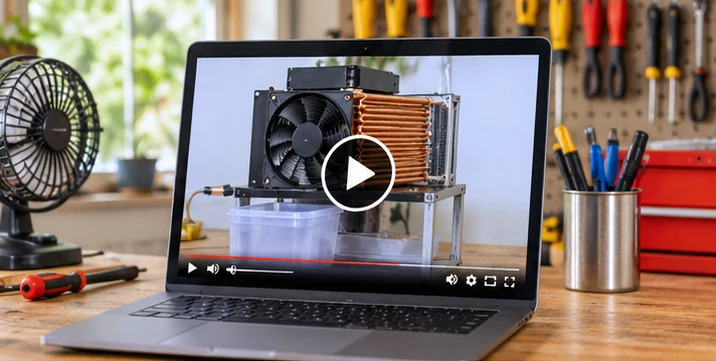
The video guide provides visual instruction for assembling the proposed system. This can be useful when written diagrams alone do not make the intended construction sequence clear.
Buyers can use the videos alongside the printable plans to follow the different stages of the project. Before purchasing, it is worth checking whether the demonstrations provide clear views of component connections, measurements and assembly details.
The videos are instructional material, not a substitute for qualified electrical assistance when working with powered cooling equipment.
Printable Blueprints and Schematics
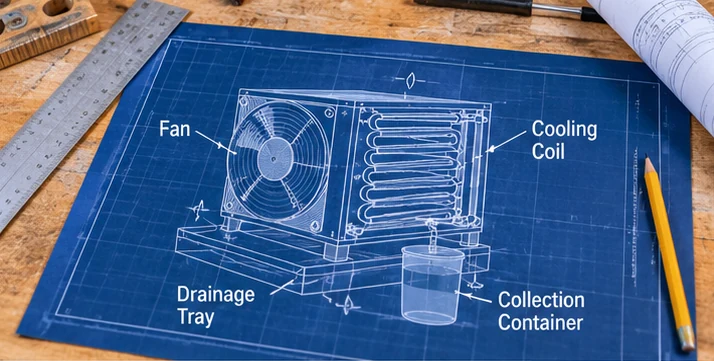
The printable blueprints provide a visual reference for the proposed system layout. They are intended to help builders understand component placement and how the different parts fit into the design.
Having a printable reference can make project preparation easier, particularly when measuring available space or checking the arrangement before assembling components.
The level of detail matters. Buyers should check that the plans provide suitable measurements, component specifications and connection information before treating them as construction-ready engineering drawings.
Materials List and Sourcing References
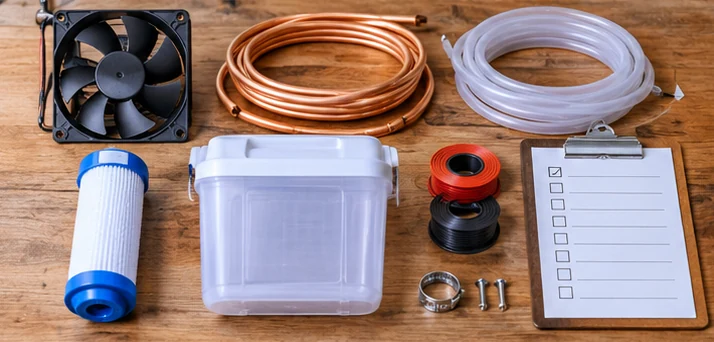
The materials list helps buyers identify the parts required for the project. The package also describes sourcing references intended to make it easier to locate components through hardware suppliers or online retailers.
This information can help with preliminary budgeting and component selection. However, availability, product specifications and prices vary by location.
Before ordering anything, compare the listed parts with their actual technical specifications. A replacement component should be compatible with the intended system, including its electrical requirements, cooling capacity and water-contact suitability.
Grid-Powered and Off-Grid Instructions
The package includes guidance for both conventional household electricity and an off-grid configuration.
The grid-powered arrangement is relevant to households with access to a dependable electrical connection. The off-grid material includes a solar setup example for people considering operation away from conventional power infrastructure.
Solar planning requires particular attention to the cooling equipment's electricity demand. Panel capacity, battery storage, inverter ratings and operating hours all affect whether the proposed arrangement is practical.
The actual power requirements should be calculated using the specifications of the components selected for the build. A solar configuration should not be assumed to provide continuous operation without adequate capacity.
Email Assistance
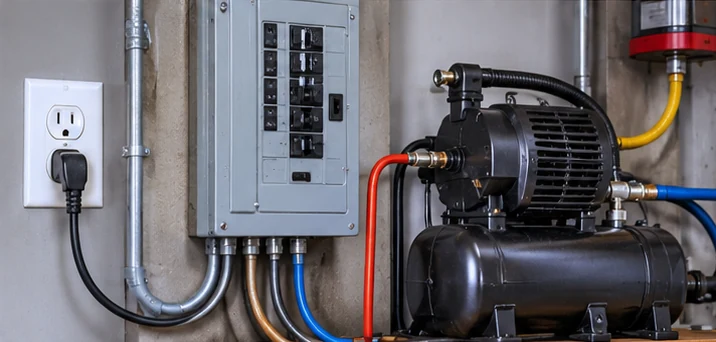
The package also includes email access for questions concerning component sourcing, construction and troubleshooting.
This can be useful when a buyer needs clarification about a listed part or encounters a setup issue during the project. Support may also be relevant when local equipment differs from the examples used in the instructions.
The exact support arrangements, access period and response expectations should be checked with the current purchase terms.
Three Additional Bonus Guides
The package includes three supplementary guides covering water storage, treatment and household water-quality concerns.


Bonus 1: How to Secure Your Water Reserves
This guide focuses on storing collected water and maintaining a household reserve. Its described topics include choosing suitable containers, rotating stored supplies and reducing the risk of contamination during storage.
These considerations are relevant to anyone planning to collect water for later use. Storage conditions and container suitability remain important even when water has already undergone treatment.
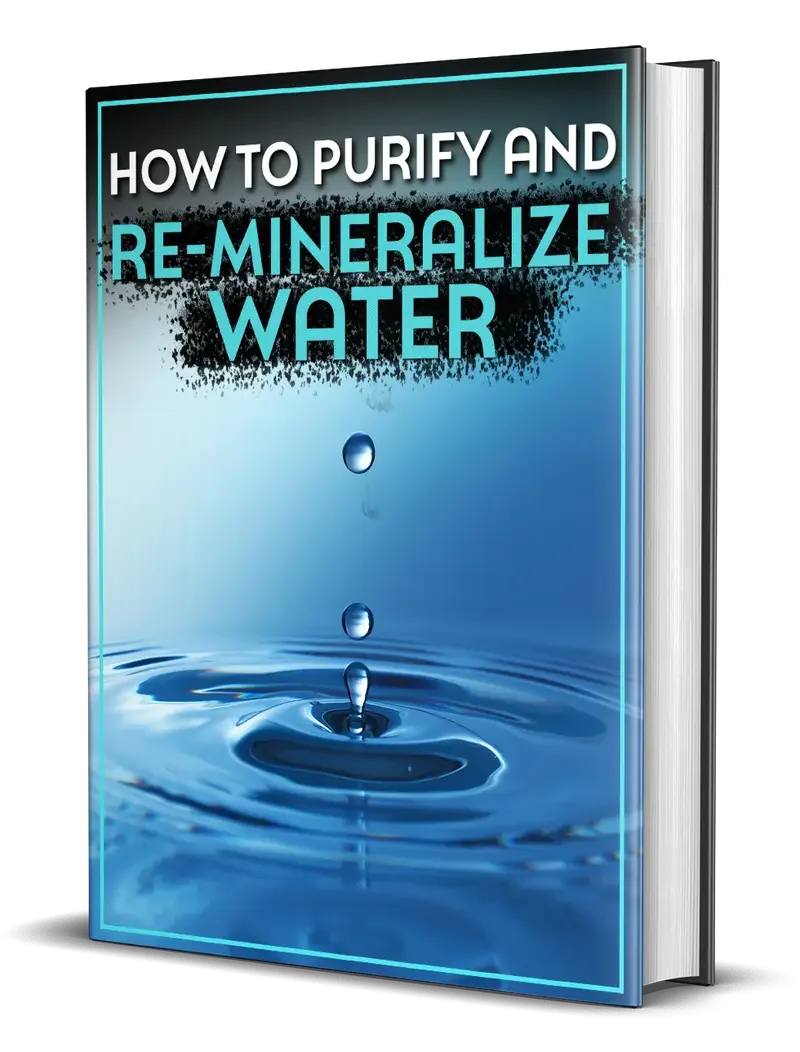
Bonus 2: How to Purify and Mineralize Water
This guide covers water purification and mineralization. Its listed subjects include filtration, boiling, solar disinfection and methods of adding minerals back into treated water.
Different treatment methods address different water-quality concerns. The appropriate approach depends on the source and possible contaminants. No single method should be assumed to remove every possible chemical or microorganism.
Water intended for drinking should be tested and treated using methods suitable for the contaminants identified.
Bonus 3: The Deadly Agents Hidden in Your Water
This supplementary guide addresses potential contaminants in household water supplies, including chemical residues, heavy metals and other substances of concern.
Its purpose is to help readers understand possible water-quality issues and the importance of checking their household supply.
The presence of a particular contaminant cannot be assumed without testing. Local water-quality reports and appropriate laboratory results provide more useful information about the actual condition of a household's water.
What Is Not Included in the Digital Package?
The purchase provides instructional materials, not a complete physical water generator or hardware installation.
The project requires separately sourced equipment, which may include a cooling unit or compressor, fans, tubing, drainage components, electrical controls, filters and a suitable collection container.
Buyers considering a solar-powered arrangement will also need to account for the necessary panels, battery storage and compatible electrical equipment.
These additional purchases form part of the total project budget and should be estimated before construction begins.
Benefits Of Joseph's Well
Joseph's Well may offer practical value to people considering a DIY atmospheric water collection project, particularly those who want to assess the work, resources and preparation involved before committing to construction. Its main benefits relate to project planning, technical understanding and making better-informed decisions about a home-scale water collection setup.
A Clearer Project Planning Process
A DIY equipment project can involve several decisions before construction begins. Joseph's Well provides a structured starting point for understanding the proposed project and organizing the work into manageable stages.
This can help buyers assess the time, tools, space and practical skills they may need. Having a clearer picture of the project beforehand can make it easier to decide whether the undertaking fits their circumstances.
Better Preparation Before Spending Money
Building a water collection system involves expenses beyond the initial cost of an instructional guide. Buyers need to consider equipment availability, compatible components, electricity, storage and ongoing maintenance.
Understanding these requirements before making purchases can help reduce avoidable spending on unsuitable parts. It also allows buyers to compare the estimated project budget with their available resources.
Greater Technical Understanding
Learning the relationship between cooling, moisture collection and condensation can give DIY builders a better understanding of the equipment they intend to assemble.
This knowledge can help them evaluate component specifications, recognize why certain equipment requirements matter and make more informed decisions when selecting replacement parts. It also provides a useful foundation for understanding how atmospheric water collection differs from conventional water supply systems.
More Informed Decisions About Power Options
Electricity requirements can influence the practicality of a home-scale atmospheric water collection project. Buyers considering grid-powered or solar-supported configurations need to understand the equipment's energy demands before choosing a setup.
Having this information as part of the planning process can help them evaluate available power sources, estimate operating expenses and avoid assuming that a solar arrangement will automatically provide continuous operation.
Greater Attention To Water Quality
Water collection involves responsibilities that continue after moisture has been gathered. Equipment cleanliness, suitable contact materials, treatment and storage all influence the quality of the collected water.
Understanding these responsibilities before construction can help buyers account for water safety as part of the project, instead of treating it as an afterthought.
A More Informed Purchase Decision
The value of Joseph's Well ultimately depends on how closely the proposed project matches a buyer's goals, technical experience, budget and local conditions.
Reviewing these considerations beforehand can help potential buyers decide whether a digital DIY guide is appropriate for them. It also makes it easier to distinguish the educational value of the instructions from the additional work and equipment required to complete the project.
Joseph's Well Real-World Performance: What Should Buyers Expect?
Joseph's Well's practical performance depends on the equipment used, local atmospheric conditions and the quality of the completed installation. Although atmospheric condensation is an established physical process, the amount of water a particular DIY system can collect and the electricity it consumes depend on its actual design and operating environment.

Humidity And Local Climate Requirements
Humidity is one of the main factors influencing atmospheric water collection. Air with greater moisture content generally provides more water vapor available for condensation, while dry conditions can significantly limit collection potential.
Relative humidity alone does not provide a complete picture. Temperature and dew point also matter because they indicate how much moisture the air contains and how much cooling is needed before condensation begins.
The promotional materials mention approximately 30% relative humidity as a lower planning reference and 50% or higher as a more favorable condition. These figures should be treated as general estimates, not verified operating thresholds for Joseph's Well.
Before purchasing components, consider the typical humidity and temperature patterns in your location, particularly during the months when you expect to operate the system.
Expected Daily Water Collection
The amount of water collected is an important consideration when evaluating a DIY atmospheric water generator.
Promotional descriptions mention potential collection ranging from several pints to a few gallons per day under favorable conditions. However, independently verified output measurements for the specific Joseph's Well design are not available in the information reviewed.
Actual daily collection can vary according to:
- Local temperature and humidity.
- Dew-point conditions.
- Cooling equipment capacity.
- Airflow and condenser design.
- Number of operating hours.
- Drainage and collection efficiency.
- Equipment condition and maintenance.
Buyers should not budget their household water needs around an assumed daily output. A completed system should be tested under local operating conditions to establish how much water it actually collects.
Electricity Consumption And Operating Costs
Electricity consumption can have a substantial influence on the practicality of an atmospheric water generator.
The cooling equipment typically accounts for an important part of the system's energy demand. Fans and other electrical components also contribute to total consumption.
The cost of operating the system depends on the selected equipment's power rating, operating hours and local electricity rates. Less favorable humidity conditions may also increase the energy required to collect a given amount of water.
Before construction, calculate the expected electricity consumption using the actual component specifications. This provides a more useful basis for estimating running costs than relying on general promotional performance figures.
Solar Power And Off-Grid Operation
A solar-supported arrangement introduces additional performance considerations.
The available solar energy changes with sunlight conditions, weather, panel orientation and seasonal variation. Battery storage and inverter capacity also influence how long the cooling equipment can operate.
A practical estimate should account for the complete electrical load, including the cooling unit, fans and any additional controls. An undersized power system may not provide enough energy for the intended operating schedule.
Anyone planning an off-grid installation should calculate the energy requirements before purchasing solar equipment.
Water Quality After Collection
Water collection and drinking-water safety are separate considerations.
Atmospheric condensate may be exposed to airborne contaminants, equipment surfaces, tubing, seals and storage containers. Microbial growth can also become a concern when collection and storage arrangements are not maintained properly.
Water intended for consumption needs appropriate treatment based on the contaminants that may be present. Filtration, disinfection, sanitary storage and suitable water-quality testing should form part of the completed project.
The presence of a filter does not automatically establish that collected water is safe to drink. Treatment equipment must be suitable for the specific water-quality risks, and testing should confirm the result.
Estimated Construction Time
The supplied promotional material gives an approximate construction time of 6–10 hours. This is a planning estimate, not a guaranteed completion period.
Actual build time depends on the builder's experience, component availability, preparation, tools and the complexity of the selected configuration.
Electrical installation, equipment adjustments and testing may require additional time. Anyone unfamiliar with electrical connections or cooling equipment should arrange qualified assistance where necessary.
Ongoing Maintenance Requirements
A completed atmospheric water collection system requires continuing attention.
Regular maintenance may include cleaning the collection surfaces, checking drainage channels, inspecting tubing, cleaning storage containers and replacing filters according to their specifications.
Electrical connections and cooling components should also be inspected for signs of damage or abnormal operation.
Water quality should be checked through appropriate testing, particularly when the system is intended to supply drinking water. Maintenance requirements depend on the selected components and operating environment, so follow the relevant equipment instructions.
What Performance Information Should Buyers Verify?
Before committing to the complete project, buyers should identify the specifications needed to evaluate its practicality:
- Cooling equipment capacity and electrical ratings.
- Expected operating conditions and airflow requirements.
- Suitable humidity and temperature ranges.
- Estimated electricity consumption.
- Collection and storage capacity.
- Filtration specifications and water-testing requirements.
- Availability of replacement filters and components.
These details help establish whether the proposed design fits the local climate, available power supply and intended household use. Actual operating measurements are the most useful way to evaluate the completed system's performance.
Who Should Consider Joseph's Well?
Joseph's Well may be suitable for people who are interested in building their own atmospheric water collection system and are comfortable taking on a practical DIY project. Its usefulness depends on the buyer's technical experience, intended application, available resources and willingness to assemble and maintain the equipment.
DIY Enthusiasts
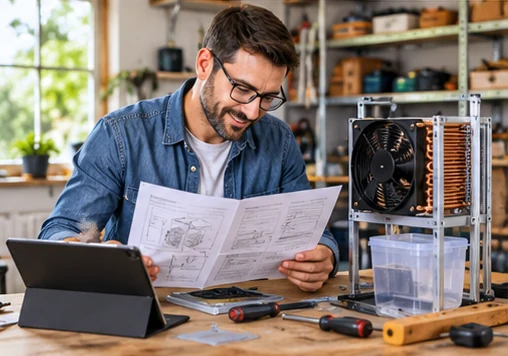
People who enjoy hands-on projects and assembling equipment may find Joseph's Well relevant to their interests. The instructional approach may appeal to builders who like working with diagrams, following construction plans and sourcing individual components.
Some familiarity with tools, equipment specifications and basic electrical concepts can make the project easier to approach. Beginners can also consider it, provided they understand the work involved and seek qualified assistance when necessary.
Homesteaders And Rural Property Owners
People managing rural properties or homesteads may be interested in learning about alternative methods of collecting water. Joseph's Well may fit into a broader household water-planning project for those who want to understand atmospheric moisture collection.
Its role should be assessed alongside existing water supplies, storage arrangements and local conditions. It should not be treated as a proven replacement for an established household water source.
Off-Grid Living Enthusiasts
People planning independent living arrangements may find the project's alternative power configurations relevant. This audience may include remote-property owners and individuals interested in incorporating different energy sources into their household systems.
The suitability of the project depends on whether the required equipment and power arrangement can be accommodated within the planned setup.
DIY Learners Interested In Water Technology
Joseph's Well may also interest people who want to learn more about atmospheric water collection, refrigeration principles and condensation-based equipment. The project offers a practical subject for people who enjoy understanding how individual components work together.
This interest can be useful even during the initial planning stage, when evaluating whether the complete construction project is appropriate.
Who May Not Find Joseph's Well Suitable?
Joseph's Well may not be the right choice for people looking for a ready-to-use appliance that requires no assembly. It is also less suitable for buyers who cannot source the necessary components, do not want to handle ongoing maintenance or expect a guaranteed daily drinking-water supply.
People who need an immediately dependable household water source should have an established supply arrangement in place. The suitability of a DIY atmospheric collection project should be evaluated according to individual requirements and local circumstances.
Joseph's Well Price And Availability
Joseph's Well is offered as a digital instructional package with a listed one-time purchase price of $39. The purchase provides access to the instructional program rather than a completed atmospheric water generator. Buyers should consider the additional equipment and construction expenses when calculating their total project budget.


Current Joseph's Well Price
The product page reviewed lists Joseph's Well at $39 as a one-time payment. There is no monthly subscription stated in the offer.
The displayed price applies to the digital instructional package. Buyers should confirm the final amount and purchase terms on the ClickBank checkout page before completing payment, since promotional pricing can change.
ClickBank is identified as the retailer responsible for processing the transaction. The purchase is for digital instructional materials, not a physical water-generating appliance.
Additional Joseph's Well Building Costs
The $39 guide price is separate from the cost of constructing the proposed water collection system. Buyers need to budget for the equipment and materials required for their selected configuration.
The final Joseph's Well building cost can depend on several factors:
- Cooling equipment and compressor capacity.
- Fans and airflow components.
- Tubing, drainage fittings and connections.
- Electrical controls and wiring.
- Water filtration and treatment equipment.
- Collection and storage containers.
- Solar panels, batteries and an inverter for an off-grid configuration.
- Tools and any qualified installation assistance.
Component prices and availability vary by location. Preparing a parts budget using actual supplier quotations and equipment specifications is the most reliable way to estimate the complete project cost.
Digital Purchase And Access
Joseph's Well is sold as a digital instructional product. The purchase does not include a ready-made machine, physical components or installation services.
The checkout process is handled through ClickBank. Buyers should use a correct email address, retain their order confirmation and follow the digital access instructions provided after a successful purchase.
What To Consider Before Purchasing
Before completing an order, consider the full financial commitment involved.
The main points include the $39 guide price, the separate cost of equipment, electricity requirements, ongoing maintenance and any additional water-treatment expenses.
The project may suit buyers who are comfortable sourcing components and undertaking DIY construction. Anyone expecting a complete appliance should understand that the instructional package requires additional purchases and practical work.
Joseph's Well 60-Day Money-Back Guarantee
Joseph's Well comes with a stated 60-day money-back guarantee, giving buyers a defined period to evaluate the digital instructional package. This allows them to review the available plans, video lessons and supporting materials and decide whether the program meets their project needs.
What Does The 60-Day Guarantee Cover?
The published offer describes a 100% money-back guarantee within 60 days of purchase. The guarantee applies to the purchase of the digital instructional program, not to the cost of separately sourced construction materials, electrical equipment or installation services.
Buyers should review the applicable purchase terms to understand the refund conditions and any requirements before placing an order.
How To Request A Refund
Joseph's Well purchases are processed through ClickBank, which provides a customer return process. Buyers should retain their order confirmation and transaction details so their purchase can be identified when submitting a refund request.
ClickBank's published return policy allows customers to request a return within 60 days of purchase, subject to the applicable return process and approval. Refund requests can be handled through ClickBank's customer support or self-service return facilities.
What Buyers Should Check Before Purchasing
Before relying on the guarantee, review the current refund terms displayed during checkout. Pay particular attention to the 60-day starting date, the refund submission process and the party responsible for processing the transaction.
The guarantee provides a purchase-related protection period, but it does not guarantee that a completed DIY system will achieve a particular water output, operating cost or drinking-water quality. Those results depend on the equipment, construction and operating conditions.

Frequently Asked Questions About Joseph's Well
Joseph's Well buyers often have practical questions about tools, components, installation safety and maintenance. The answers below cover the points that come up most often before a project begins.
The tools required for Joseph's Well depend on the selected components and construction arrangement. Builders may need measuring tools, fastening equipment, suitable electrical tools and equipment for assembling tubing and drainage connections. Check the construction plans before purchasing tools, and arrange qualified assistance for specialized electrical or refrigeration work.
Some familiarity with cooling equipment can be helpful when assembling Joseph's Well. Understanding compressor specifications, airflow and cooling capacity can make component selection easier. Work involving sealed refrigeration circuits or refrigerant handling should be performed by a qualified technician.
Joseph's Well may accommodate locally sourced components when they meet the required technical specifications. Check voltage, current ratings, cooling capacity, dimensions and water-contact suitability before selecting replacements. Components that appear similar may not perform safely or correctly in the intended arrangement.
Air intake placement can influence the quality of air entering Joseph's Well. A position away from vehicle exhaust, cooking fumes, chemical vapors and dusty areas is preferable. The intake should also remain accessible for inspection and cleaning.
A properly arranged Joseph's Well drainage system should use suitable water-contact tubing, secure connections and an appropriately sized collection container. Inspect connections during initial testing and check periodically for leaks, blocked drainage and damaged fittings. An overflow arrangement can also help prevent accidental water spills.
A connection between Joseph's Well and existing household plumbing requires careful planning. The proposed arrangement must prevent backflow and avoid introducing contaminants into the household water supply. Have a qualified plumber assess the connection and applicable local requirements before installation.
Joseph's Well should not be assumed to operate safely without supervision simply because its components can run automatically. Initial testing should include monitoring for leaks, unusual temperatures, electrical issues and drainage problems. Any unattended operation should follow the equipment manufacturer's instructions and include appropriate electrical and overflow protection.
Electrical inspection requirements for Joseph's Well depend on the equipment and installation arrangement. A system involving powered cooling equipment, wiring modifications or dedicated electrical circuits may require assessment by a qualified electrician. Check local electrical regulations before installing or modifying components.
Replacement filters for Joseph's Well should be selected according to the contaminants that may be present in the collected water. Check the filter's compatibility, replacement interval and independently verified contaminant-reduction specifications. A sediment filter, for example, should not be assumed to remove dissolved chemicals or microorganisms.
Comparing Joseph's Well with a commercial atmospheric water generator requires looking beyond the initial purchase price. Consider the cost of construction materials, installation, measured water output, electricity consumption, maintenance and equipment warranties. A commercial unit may offer established specifications, while Joseph's Well provides a DIY approach that requires additional component sourcing and assembly.
Joseph's Well: Is The DIY Guide Worth Buying?
Joseph's Well may be worth considering for people interested in building a home-scale atmospheric water collection system. Its digital format brings together instructional materials that can help DIY enthusiasts understand the proposed design, plan the project and prepare for construction.
The main consideration is that Joseph's Well is a guide, not a ready-made water generator. Buyers must source the equipment, account for construction and electricity costs, and handle ongoing maintenance. Actual water collection depends on local climate, equipment and installation quality, while drinking-water safety requires appropriate treatment and testing.
Joseph's Well may suit technically curious homeowners, homesteaders and DIY enthusiasts who are comfortable undertaking a practical project. Buyers expecting an assembled appliance or guaranteed water production should consider these limitations before purchasing. The decision ultimately depends on whether the instructional materials justify the additional investment and work required.
Joseph's Well Affiliate Disclosure
Joseph's Well links on this website may be affiliate links. The website may earn a commission when visitors make qualifying purchases through these links, at no additional cost to the buyer. This website is independent and is not the official seller.